
Allergies Aren’t Just About Pollen — They’re About Regulation
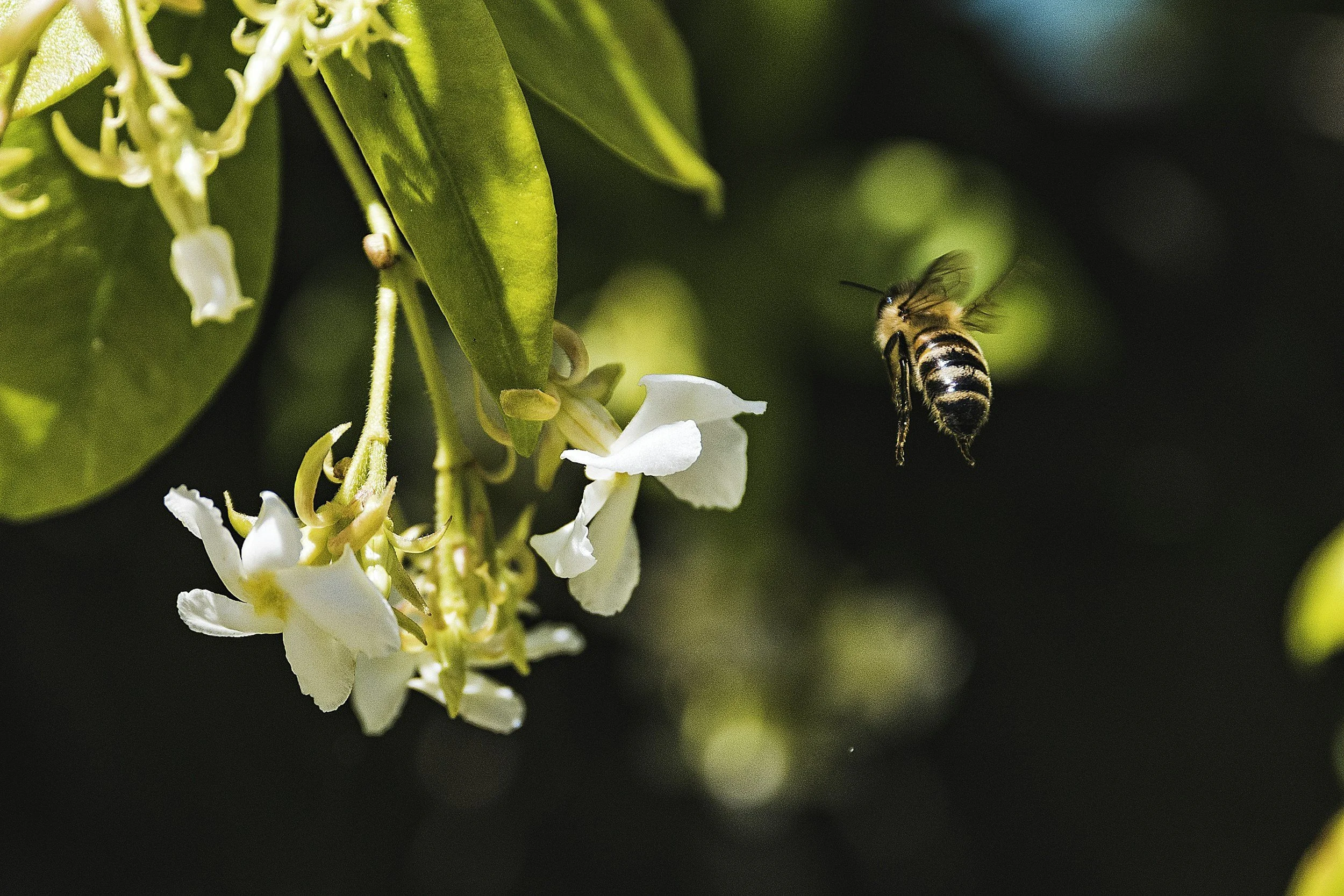
Spring should feel refreshing.
But for many families, it brings sneezing, congestion, itchy eyes, sinus pressure, and fatigue.
We’re told it’s “just pollen.”
But allergies aren’t simply about what’s in the air. They’re about how your body responds to it.
Allergies Are an Overreaction
Pollen isn’t dangerous.
Yet in some people, the immune system treats it like a serious threat — releasing histamines and inflammatory chemicals that create uncomfortable symptoms.
Allergies aren’t a sign of a weak immune system.
They’re a sign of an overreactive one.
The question becomes: why is the body reacting so strongly?
Your Nervous System Controls Immune Response
Your immune system doesn’t operate on its own. It’s regulated by your nervous system.
The brain communicates with immune cells, inflammatory pathways, and respiratory tissues constantly. When that communication is balanced, the immune response is measured and appropriate.
But when the nervous system is under chronic stress, regulation decreases — and reactivity increases.
Stress Changes How the Body Responds
Physical stress.
Chemical stress.
Emotional stress.
When stress accumulates, the body can shift into “fight or flight” mode. In this state, inflammation rises and adaptability drops.
Now introduce spring pollen to an already stressed system — and symptoms can flare quickly.
For children, this might look like congestion, mouth breathing, poor sleep, or irritability.
For adults, sinus pressure, headaches, or constant fatigue.
Supporting Regulation, Not Just Symptoms
Medications can help manage symptoms. But they don’t address why the immune system reacted so aggressively in the first place.
At Huffer Chiropractic, our focus is the nervous system.
When spinal misalignments interfere with brain-body communication, regulation can suffer. Specific, neurologically-focused adjustments help restore balance — supporting the body’s ability to adapt appropriately to stressors, including seasonal change.
We don’t treat allergies.
We help the body regulate better.
And when regulation improves, resilience often does too.
Spring shouldn’t feel like something you have to survive.
If seasonal allergies are a yearly struggle for you or your child, it may be worth looking at the system that controls it all — the nervous system.